Can I use the Philips heated straightener brush on wet hair?
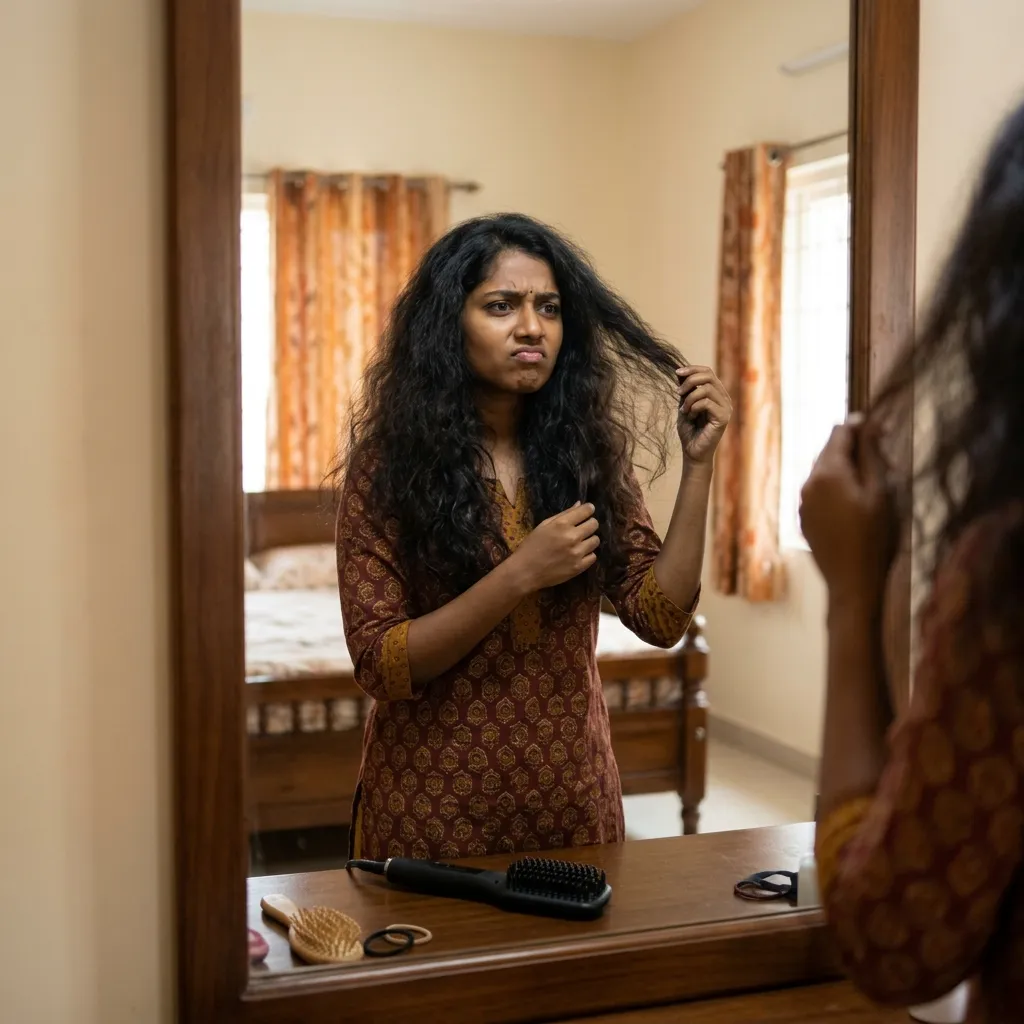
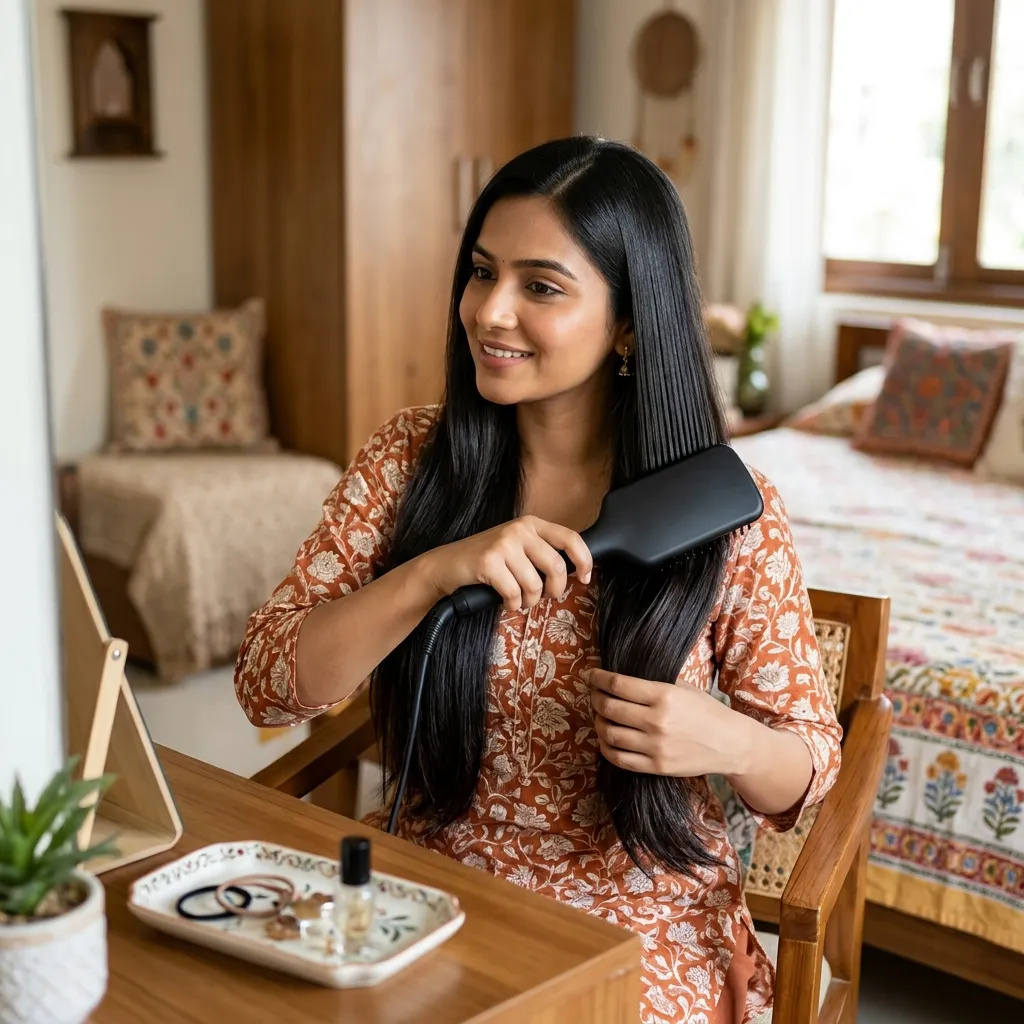
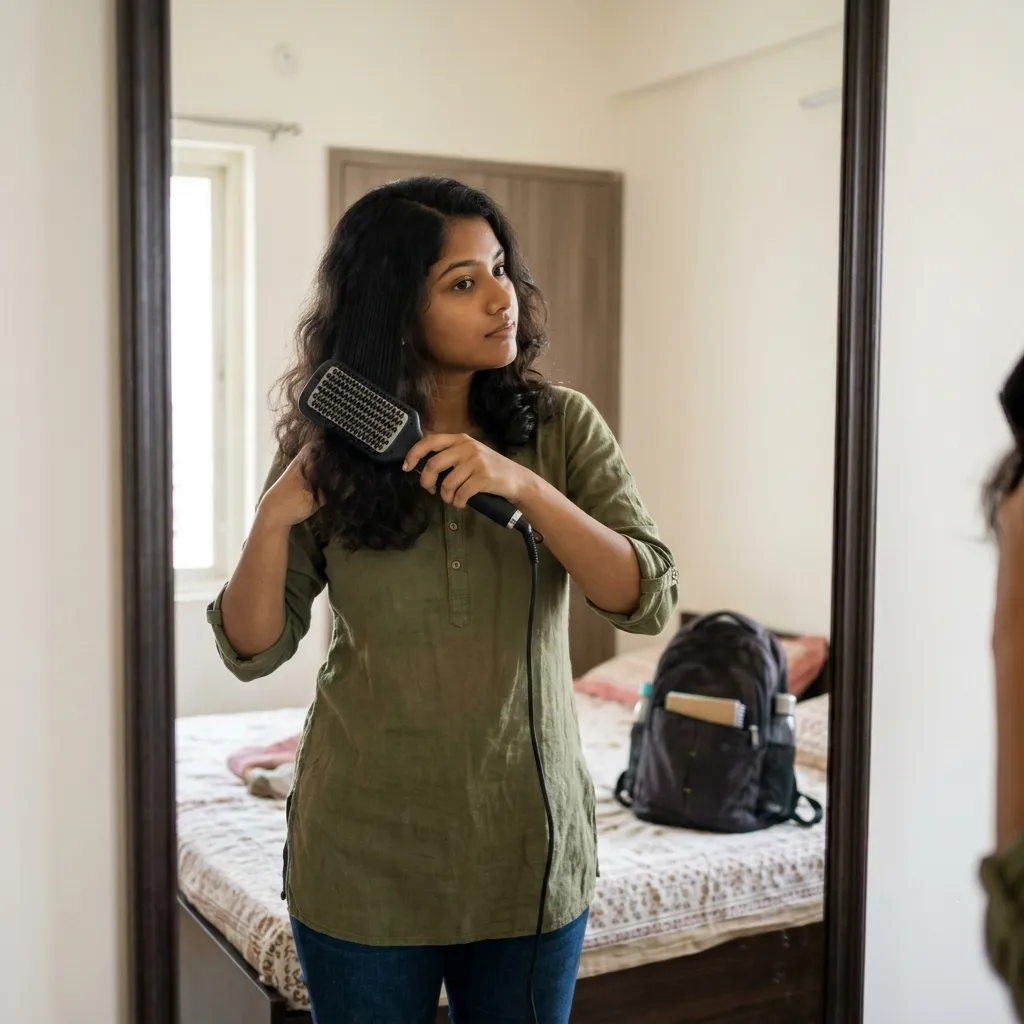
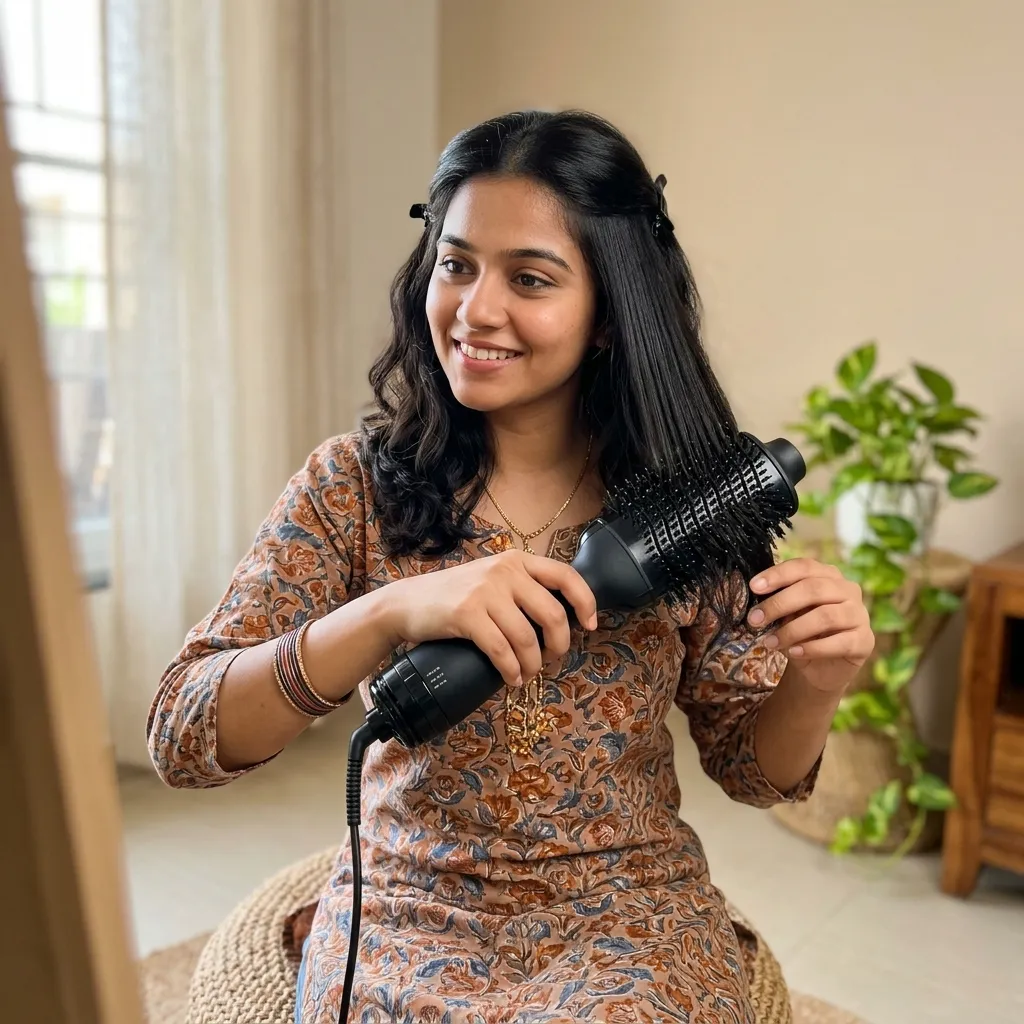
No, the Philips BHH880 heated straightener brush is made for completely dry hair only. Heat on wet or damp hair can damage the hair, so a heated brush should never replace a hair dryer. First, dry hair fully with a towel and a dryer, then spray a heat protectant through the lengths. Next, divide hair into small sections and brush slowly from root to tip, keeping the brush moving all the time. The keratin-infused ceramic bristles smooth each section as the brush passes through, and a second slow pass helps on thick or frizzy hair. For example, after a morning hair wash, dry hair completely before breakfast and style afterwards, instead of brushing while hair is still damp. Start on the 170°C setting and move to 200°C only if a section stays wavy after two passes. Dry hair, small sections and slow passes give the smoothest, most natural-looking result.
Which heat setting should I use on the Philips BHH880 brush?
Use the 170°C setting on the Philips BHH880 for fine, thin, coloured or chemically treated hair, and keep the 200°C setting for thick, coarse or very wavy hair. Lower heat is gentler, so 170°C is the safer starting point for most people trying a heated brush for the first time. The brush heats up in about 50 seconds, and ThermoProtect temperature control is designed to keep the chosen temperature steady while styling. For example, someone with thin, layered hair can usually finish on 170°C, while someone with thick, wavy hair that frizzes in monsoon humidity may need 200°C for the underneath sections. A simple rule works well: try two slow passes on 170°C first, and switch to 200°C only if hair still looks wavy. Whichever setting is used, apply a heat protectant spray beforehand and avoid going over the same section again and again.
Will a heated hair straightener brush burn my scalp?
A heated straightener brush is designed not to burn the scalp, and the Philips BHH880 bristle tips are made to protect the scalp while brushing. The brush still gets very hot, though, so careful use matters. Keep the brush moving, never press the bristles flat against the scalp, and never hold the brush in one place on the same section of hair. Start each pass slightly away from the roots, then glide down to the tips. For example, when styling hair near the face or neck, angle the brush away from the skin and work slowly. After styling, rest the brush on a heat-safe surface and store it away from children until the bristles cool down. The Philips brush also switches off automatically after about 60 minutes, which adds a layer of safety if someone forgets to unplug it. Used this way, a heated brush is a low-risk way to smooth hair at home.
Is a hair straightener brush better than a flat iron?
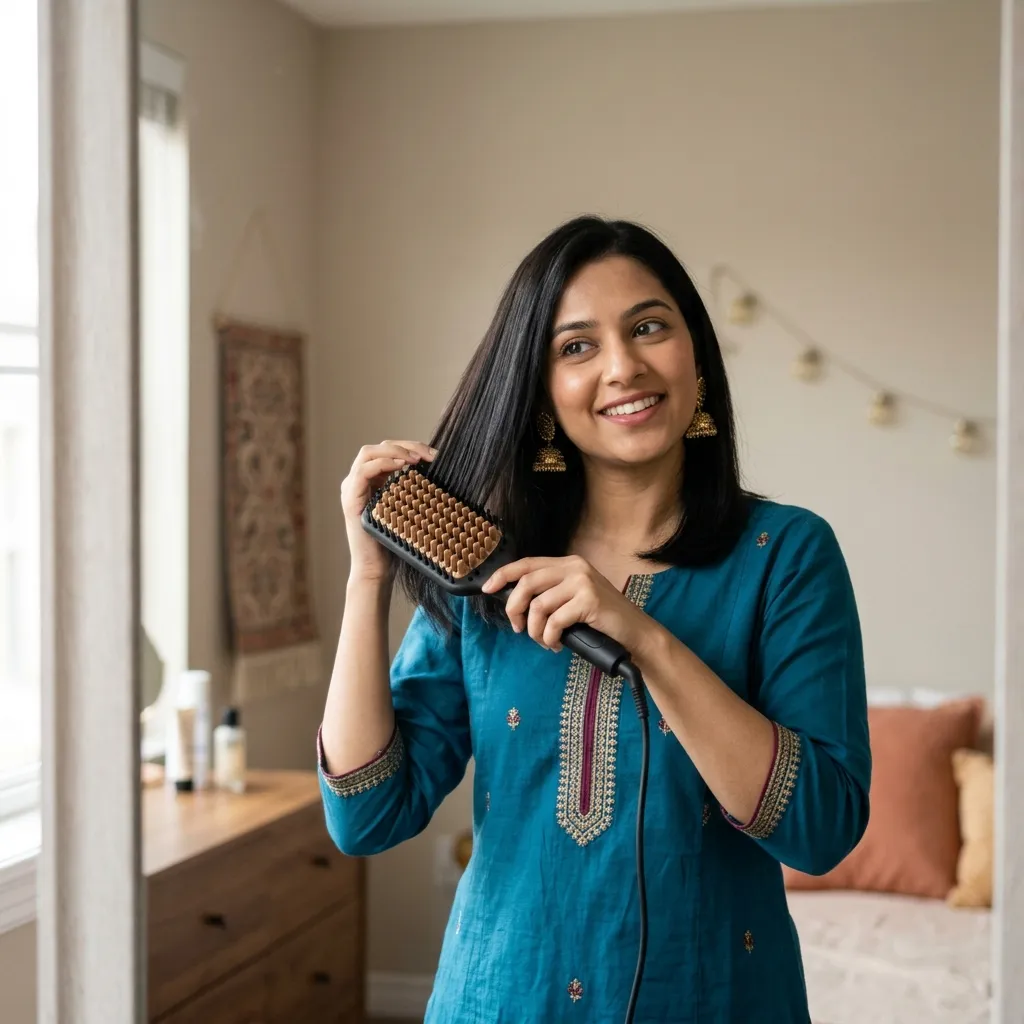
A hair straightener brush is better than a flat iron for quick, natural-looking smoothness, while a flat iron is better for a sharp, poker-straight finish. The Philips BHH880 heated brush straightens hair as the bristles pass through, so styling feels like normal brushing and keeps more volume at the roots. A flat iron presses hair between two hot plates, which gives a sleeker, flatter result and more control for flicks or curls. For example, someone who wants to tame frizz before work in a few minutes will usually prefer the heated brush, while someone getting ready for a wedding who wants glass-straight hair may still reach for flat plates. The heated brush is also easier for beginners, because there are no plates to clamp and less risk of kinks or creases. Many people keep both tools: the brush for everyday mornings and the flat iron for special occasions.